Pyrenees half-day hiking guide
Departing from Toulouse at noon · Three adults and two children · Three routes available
Departing from Toulouse at noon · Three adults and two children · Three routes available
Travel in half a day, no overnight stay. Prepared for Pyrenean altitudes of 450–1900 m.
Read the local history behind the route before you go, and you will have a better feel for it when you get there.
Saint Peter and Jesus passed by this place in the form of poor people and asked the Barbazan villagers to stay overnight, but they were refused. Only a poor couple outside the village took them in. To punish the villagers for their indifference, the earth opened and a gush of water flooded the entire village, forming what is today Lake Barbazan. This is the most widely spread local origin legend.
Another legend relates to Salome: She was walking on a frozen lake when the ice broke and the ice closed back up around her neck - her head seemed to be on a silver platter. The location of this story is generally considered to be Lake Barbazan.
In the 1840s, Barbazan began to develop the hot springs on a small scale - eight baths, two drinking pavilions. Acquired by Joachim Bellan de Labroquère in the 1860s, it was expanded with fifteen new bathrooms and shower rooms. The hot springs were once known for treating biliary, intestinal and nutritional disorders, but they ceased operations after 2001. In the hot spring park that the loop passes through today, the unfinished chapel and the restored Art Déco style drinking fountain pavilion are the relics of that time.
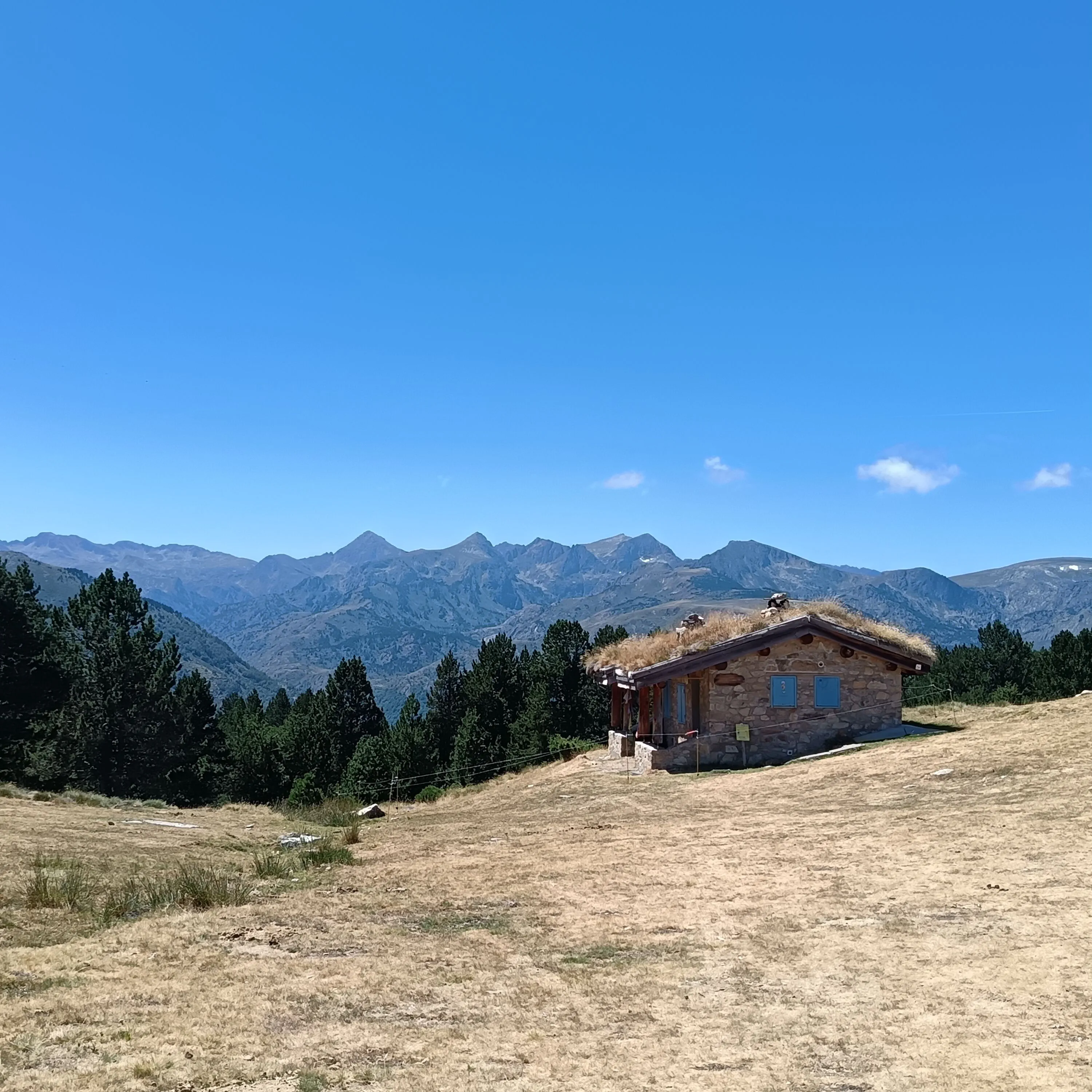
The Beille Plateau is the core summer pasture (estive) of the Ariège Pyrenees Regional Nature Park. Every summer, cattle and horses are driven onto the plateau to graze. In this fragile alpine meadow ecology, marmots are the most common "residents" - many tourists reported seeing marmot caves and basking in the sun along the trail. The plateau is also the classic climb finish of the Tour de France, and turns into a Nordic ski resort in winter.
Lake Génos-Loudenvielle is a 32-hectare valley reservoir located at approximately 960 meters above sea level. The lakeside village of Génos once had a medieval castle, but today only the ruins of a watchtower on a hill remain. The Louron Valley (Vallée du Louron) retains the quiet rhythm of mountain village life due to its remoteness. The Balnéa thermal center on the lake's edge is the product of contemporary development, but the trail itself passes through much of the original lakeshore and village paths.